

Faculty Mentor
Dr. Elaine Vanterpool
Files
Download Full Text (299 KB)
Description
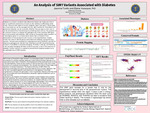
SIM1, known as Drosophila single-minded 1, Is a homologous gene. It resides within chromosome 21 and was originally detected in fetal kidneys and fetal diseases. It is a transcription factor that is involved in the development of the paraventricular nucleus in the hypothalamus. These are two clusters of neurons that play a vital role in many functions such as growth and metabolism. This includes the control of food intake and regulation of energy homeostasis. The Haploinsufficiency of SIM1 affects the expression of the gene and causes early-onset obesity due to its poor regulation. Due to its role in drosophila genetics and expression in neurogenesis. It has been proposed that in humans this gene plays a role in dysmorphic features of the face and skull, and troubles with brain development, along with cognitive disabilities such as Down syndrome. Furthermore, the mutation of this gene is involved in more diseases such as Prader Willi-like syndrome. This covers all areas relating to obesity, intellectual disabilities, developmental disabilities, behavioral problems, etc. Haploinsufficiency is the main reason for obesity because of its link to hyperphagia. Hyperphagia is the unsatisfied desire to consume food. This increased appetite for food is the reason for obesity. Hyperphagia has shown a clear link to diabetes. The overconsumption of food can result in metabolic dysregulation. This leads to insulin resistance which later develops into type 2 diabetes.
Publication Date
4-1-2025
City
Huntsville
Disciplines
Biology
Recommended Citation
Vanterpool, Elaine and Tomlin, Jasmine, "An Analysis of SIM1 Variants Associated with Diabetes" (2025). Student Posters. 135.
https://ouscholars.oakwood.edu/student-posters/135
Comments
Jasmine Tomlin, Student Researcher