

Faculty Mentor
Dr. Elaine Vanterpool
Files
Download Full Text (519 KB)
Description
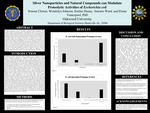
Investigating the impact of antibacterial agents on Escherichia coli (E. coli) protease activity is vital for advancing new approaches to combat bacterial infections. Proteases are crucial enzymes in bacterial physiology that contribute to immune system evasion, biofilm development, and host tissue degradation. Due to these enzymes being directly involved in E. coli virulence, understanding how antibacterial compounds affect protease function may lead to innovative treatment strategies. E. coli is a gram-negative, facultatively anaerobic bacterium that exists both as a harmless intestinal commensal and a significant human pathogen. Many lives have been negatively affected by severe E. coli infections in the United States approximately 2,200 hospitalizations and 60 deaths occur annually, with contaminated food and water being common sources of outbreaks. As antibiotic resistance among E. coli strains continue to prevail, there is a growing need for alternative therapeutic interventions. E. coli pathogenesis can be so prevalent due to its ability to produce proteases; which is essential for bacterial survival. Proteases are enzymes such as OmpT, which facilitate resistance against antimicrobial peptides. Targeting protease enzymatic activity could provide an effective means of reducing E. coli virulence. This research concentrated on the effects testing agents such as Vanillin, metronidazole, and silver nanoparticles have on E. coli protease activity. Metronidazole is commonly used against anaerobic bacteria, and beneficial in treating skin, mouth, and rosacea infections. It involves a nitro group reduction to form reactive radicals that can damage DNA and cellular components. Vanillin is a natural occurring compound, that possess antimicrobial properties that include membran disruption and enzyme inhibition. Silver nanoparticles present a broad-spectrum antibacterial activity, interfering with bacterial enzymatic function, inducing oxidative stress, and disruption bacterial membranes. To further examine these effects, E. coli cultures were treated with each testing agent (metronidozle, silver nanoparticles, and vanillin), and protease activity was assessed by the EnzChek Protease/Peptidase assay kit. The findings of this research indicated that while all three agents influenced protease activity to varying degrees, silver nanoparticles displayed the more pronounced inhibitory effect. By analyzing the interaction between the various testing agents and E. coli proteases, this research provides valuable insight into bacterial virulence mechanisms and the potential for future antimicrobial therapeutics and ultimately reducing E. coli infections.
Publication Date
4-1-2025
City
Huntsville
Disciplines
Biology
Recommended Citation
Vanterpool, Elaine; Chotan, Simone; Johnson, Wendolyn; Duany, Emilee; and Ward, Antonio, "Silver Nanoparticles and Natural Compounds can Modulate Proteolytic Activities of Escherichia coli" (2025). Student Posters. 180.
https://ouscholars.oakwood.edu/student-posters/180
Comments
Student Researchers: Chotan, Johnson, Duany, Ward.