-
Analysis of Mutations in BMPR2 Gene Associated with Hypertension
Elaine Vanterpool and Keury C. Ruiz
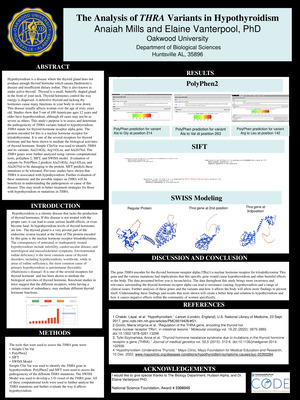
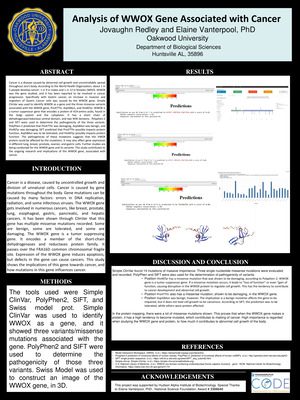
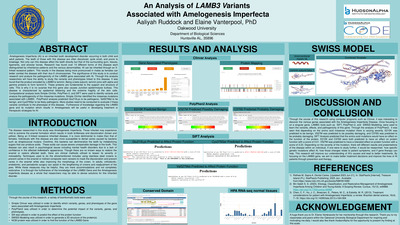
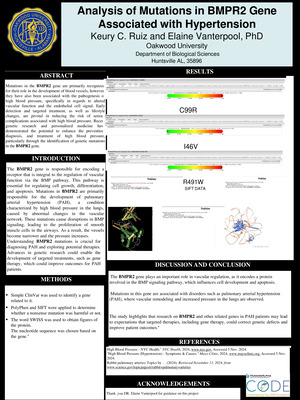
Mutations in the BMPR2 gene are primarily recognized for their role in the development of blood vessels, however, they have also been associated with the pathogenesis of high blood pressure, specifically in regards to altered vascular function and the endothelial cell signal. Early detection and targeted treatment, as well as lifestyle changes, are pivotal in reducing the risk of serious complications associated with high blood pressure. Recent genetic research and personalized medicine have demonstrated the potential to enhance the prevention, diagnosis, and treatment of high blood pressure, particularly through the identification of genetic mutations in the BMPR2 gene.
-
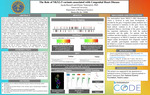
The Role of NKX2-5 variants associated with Congenital Heart Disease
Elaine Vanterpool and Jayda Russell
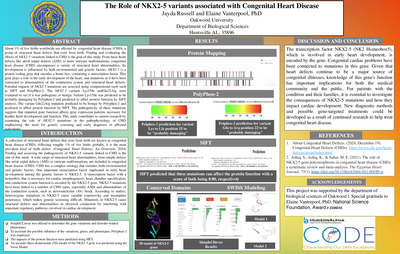
About 1% of live births worldwide are affected by congenital heart disease (CHD), a group of structural heart defects that exist from birth. Finding and evaluating the effects of NKX2-5 variations linked to CHD is the goal of this study. From basic heart defects like atrial septal defects (ASD) to more intricate malformations, congenital heart disease (CHD) encompasses a variety of structural heart abnormalities. Its development is influenced by both environmental and genetic factors. NKX2-5 is a protein coding gene that encodes a home box- containing a transcription factor. This gene plays a role in the early development of the heart, and mutations in it have been connected to abnormalities of the conduction system and structural heart defects. Potential impacts of NKX2-5 mutations are assessed using computational tools such as SIFT and PolyPhen-2. The NKX2-5 variants Lys15lle andGln22Arg were evaluated to see if it was pathogenic or benign. Variant Lys15lle was predicted to be probably damaging by Polyphen-2 and predicted to affect protein function by SIFT analysis. The variant Gln22Arg mutation predicted to be benign by Polyphen-2 and predicted to affect protein function by SIFT. The pathogenicity of these mutations suggests that impaired gene function affects gene expression patterns necessary for healthy heart development and function. This study contributes to current research by examining the role of NKX2-5 mutations in the pathophysiology of CHD emphasizing the need for genetic screening and early diagnosis in affected individuals.
-
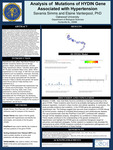
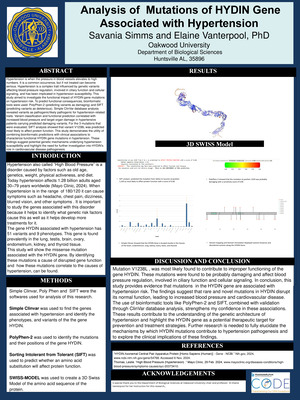
Analysis of Mutations of HYDIN Gene Associated with Hypertension
Elaine Vanterpool and Savania Simms
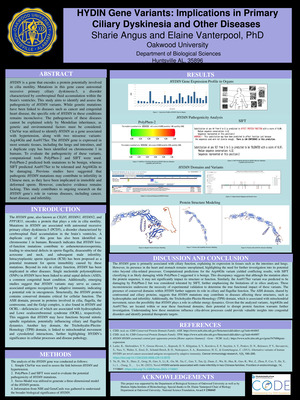
Hypertension also called “High Blood Pressure” is a disorder caused by factors such as old age, genetics, weight, physical activeness, and diet. Today hypertension affects 1.28 billion adults aged 30–79 years worldwide (Mayo Clinic, 2024). When hypertension is in the range of 180/120 it can cause symptoms such as headache, chest pain, dizziness, blurred vision, and other symptoms . It is important to study the genes associated with this disorder because it helps to identify what genetic risk factors cause this as well as it helps develop more treatments for it. The gene HYDIN associated with hypertension has 51 variants and 9 phenotypes. This gene is found prevalently in the lung, testis, brain, ovary, endometrium, kidney, and thyroid tissue. This study will show the missense mutation associated with the HYDIN gene. By identifying these mutations a cause of disrupted gene function and how these mutations correlate to the causes of hypertension, can be found.
-
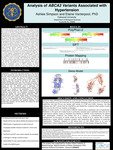
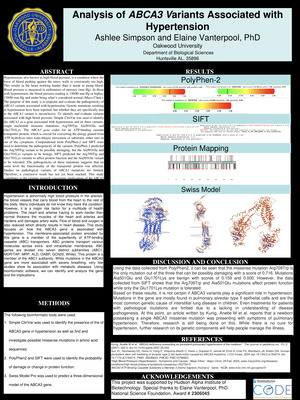
Analysis of ABCA3 Variants Associated with Hypertension
Elaine Vanterpool and Ashlee Simpson
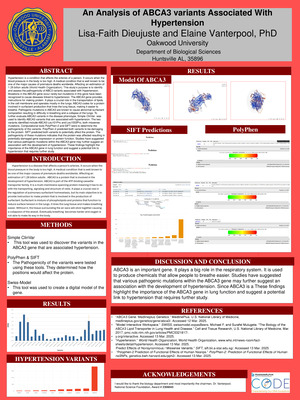
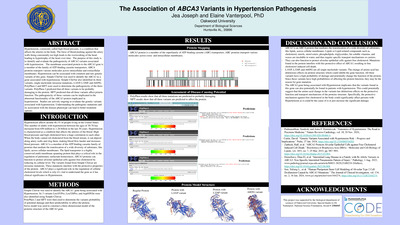
Hypertension, also known as high blood pressure, is a condition where the force of blood pushing against the artery walls is consistently too high. This results in the heart working harder than it needs to pump blood. Blood pressure is measured in millimeters of mercury (mm Hg). In those with hypertension, the blood pressure reading is 130/80 mm Hg or higher, 130/80 mm Hg and under being what’s considered normal (Mayo Clinic). The purpose of this study is to pinpoint and evaluate the pathogenicity of ABCA3 variants associated with hypertension.
-
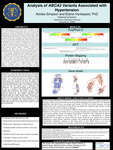
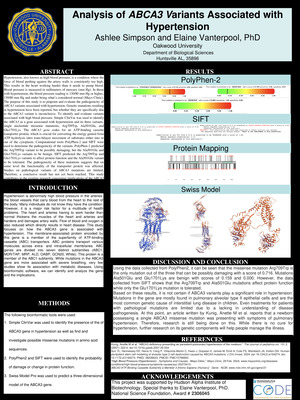
Analysis of ABCA3 Variants Associated with Hypertension
Elaine Vanterpool and Ashlee Simpson
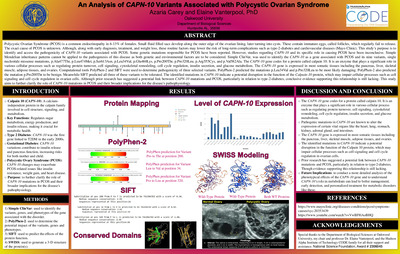
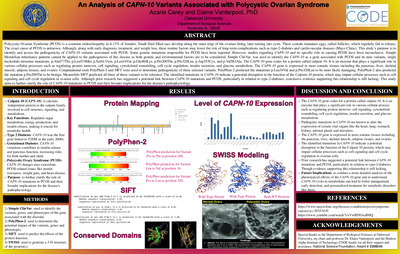
Hypertension is abnormally high blood pressure in the arteries, the blood vessels that carry blood from the heart to the rest of the body. Many individuals do not know they have the condition. However, it is a major risk factor for a multitude of health problems. The heart and arteries having to work harder than normal thickens the muscles of the heart and arteries and hardens and damages artery walls. Flow of blood and oxygen is also reduced which directly results in heart disease. This study focuses on how the ABCA3 gene is associated with hypertension. The membrane-associated protein encoded by this gene is a member of the superfamily of ATP-binding cassette (ABC) transporters. ABC proteins transport various molecules across extra- and intracellular membranes. ABC genes are divided into seven distinct subfamilies (ABC1, MDR/TAP, MRP, ALD, OABP, GCN20, White). This protein is a member of the ABC1 subfamily. While mutations in the ABCA3 gene are more associated with severe breathing, very few studies show its association with metabolic diseases. Using bioinformatic software, we can identify and analyze the gene and the implications.
-
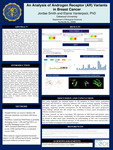
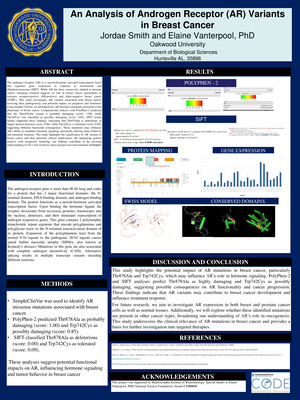
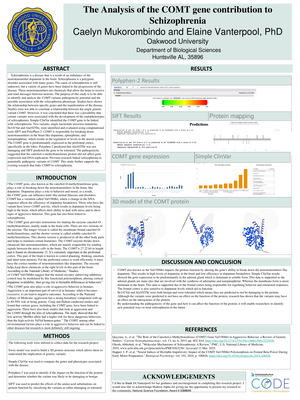
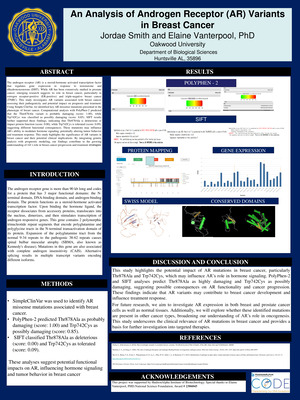
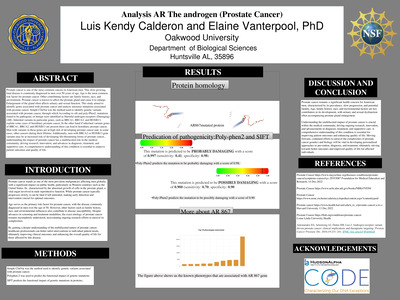
An Analysis of Androgen Receptor (AR) Variants in Breast Cancer
Elaine Vanterpool and Jordae Smith
The androgen receptor (AR) is a steroid-hormone activated transcription factor that regulates gene expression in response to testosterone and dihydrotestosterone (DHT). While AR has been extensively studied in prostate cancer, emerging research suggests its role in breast cancer, particularly in estrogen receptor-positive (ER-positive) and triple-negative breast cancer (TNBC). This study investigates AR variants associated with breast cancer, assessing their pathogenicity and potential impact on prognosis and treatment.
-
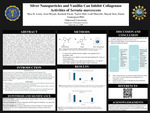
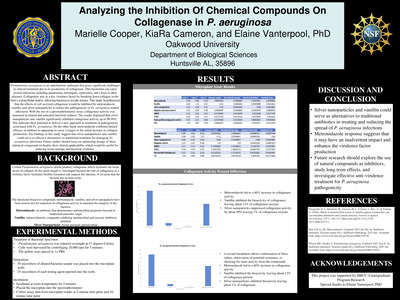
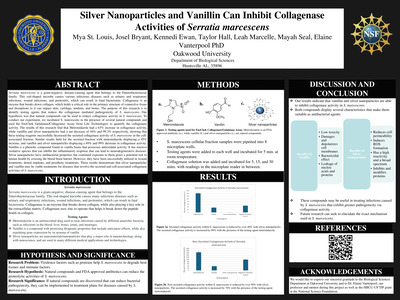
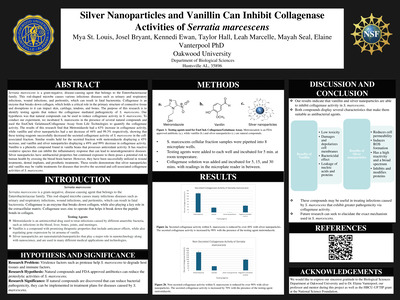
Silver Nanoparticles and Vanillin Can Inhibit Collagenase Activities of Serratia marcescens
Elaine Vanterpool, Mya St. Louis, Josel Bryant, Kennedi Ewan, Taylor Hall, Leah Marcelle, and Mayah Seal
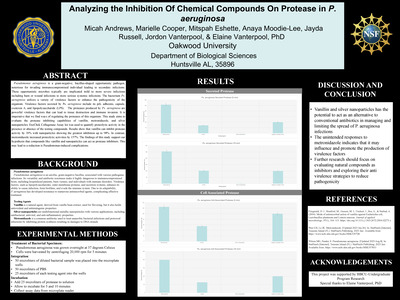
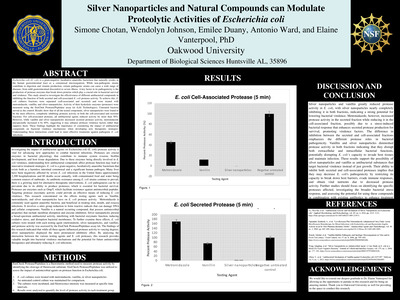
Serratia marcescens is a gram-negative, disease-causing agent that belongs to the Enterobacteriaceae family. This rod-shaped microbe causes many infectious diseases such as urinary and respiratory infections, wound infections, and peritonitis, which can result in fatal bacteremia. Collagenase is an enzyme that breaks down collagen, while also playing a key role in the extracellular matrix. Collagenase uses zinc to operate that helps it break down the peptide bonds in collagen. Testing Agents ❖ Metronidazole is an antimicrobial drug used to treat infections caused by different anaerobic bacteria, such as infections in the blood, liver, bones, joints, and meninges. ❖ Vanillin is a compound with promising thrapeutic properties that include anticancer effects, while also regulating gene expression by ist arouma of vanilla. ❖ Silver nanoparticles are nanomaterials/nanoparticles that play a major role in nanotechnology along with nanoscience, and are used in many different medical applications and technologies.
-
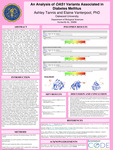
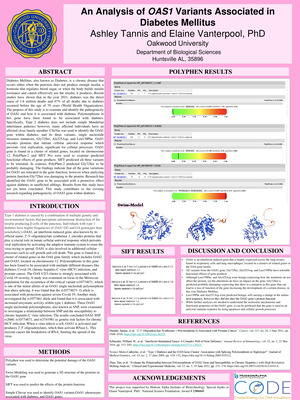
An Analysis of OAS1 Variants Associated in Diabetes Mellitus
Elaine Vanterpool and Ashley Tannis
Type 1 diabetes is caused by a combination of multiple genetic and environmental factors that precipitate autoimmune destruction of the insulin-producing β-cells of the pancreas. Individuals with type 1 diabetes have higher frequencies of OAS1 GG and GA genotypes than nondiabetic's.OAS1, an interferon-induced gene, also known by its official name, 2'-5'-oligoadenylate synthetase 1, encodes proteins that play a crucial role in innate cellular antiviral response which prevents viral replication by activating the adaptive immune system to erase the virus trying to spread. OAS1 is also involved in additional cellular processes such as cell growth and cell death. This gene is found in a cluster of related genes in the OAS gene family which includes OAS2 and OAS3, located on chromosome 12. Polymorphisms in this gene has been found to be associated with multiple different diseases like diabetes, Covid-19, chronic hepatitis C virus (HCV) infection, and prostate cancer. The OAS 1/2/3 cluster is strongly associated with Covid-19 severity, A study was examined on locus in the Moroccan population for the occurrence of the critical variant rs10774671, which is one of the minor alleles of an OAS1 single nucleotide polymorphism that alters splicing, it was found that the rs10774671- G allele is associated with protection against severe Covid-19. Another study investigated the rs1077461 allele and found that it is associated with increased enzymatic activity within type 1 diabetes. Three OAS1 single nucleotide polymorphisms, also known as SNP, were examined to investigate a relationship between SNP and the susceptibility to chronic hepatitis C virus infection. The results concluded OAS1 SNP rs2660, rs10774671, and rs3741981 as genetic risk factors for chronic HCV infection. When a virus infects a cell, OAS1 is activated and produces 2',5'-oligoadenylates, which then activate RNase L. This enzyme causes the breakdown of RNA, limiting the spread of the virus.
-
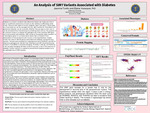
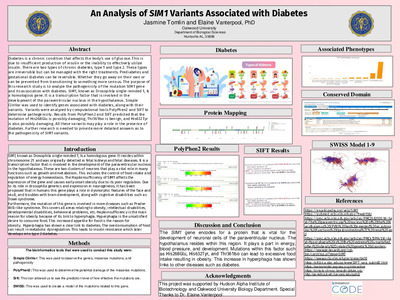
An Analysis of SIM1 Variants Associated with Diabetes
Elaine Vanterpool and Jasmine Tomlin
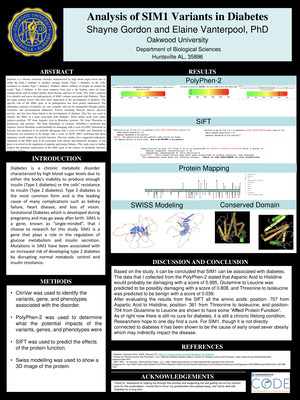
SIM1, known as Drosophila single-minded 1, Is a homologous gene. It resides within chromosome 21 and was originally detected in fetal kidneys and fetal diseases. It is a transcription factor that is involved in the development of the paraventricular nucleus in the hypothalamus. These are two clusters of neurons that play a vital role in many functions such as growth and metabolism. This includes the control of food intake and regulation of energy homeostasis. The Haploinsufficiency of SIM1 affects the expression of the gene and causes early-onset obesity due to its poor regulation. Due to its role in drosophila genetics and expression in neurogenesis. It has been proposed that in humans this gene plays a role in dysmorphic features of the face and skull, and troubles with brain development, along with cognitive disabilities such as Down syndrome. Furthermore, the mutation of this gene is involved in more diseases such as Prader Willi-like syndrome. This covers all areas relating to obesity, intellectual disabilities, developmental disabilities, behavioral problems, etc. Haploinsufficiency is the main reason for obesity because of its link to hyperphagia. Hyperphagia is the unsatisfied desire to consume food. This increased appetite for food is the reason for obesity. Hyperphagia has shown a clear link to diabetes. The overconsumption of food can result in metabolic dysregulation. This leads to insulin resistance which later develops into type 2 diabetes.
-
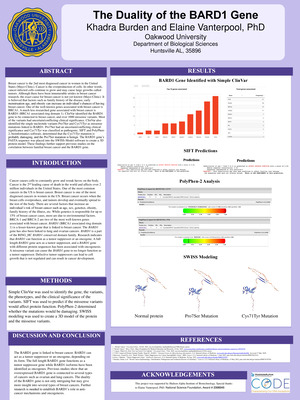
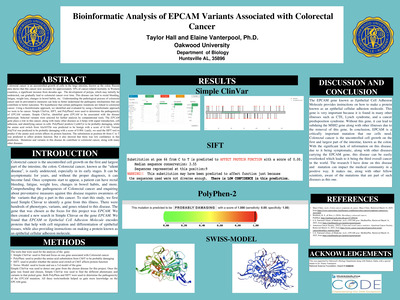
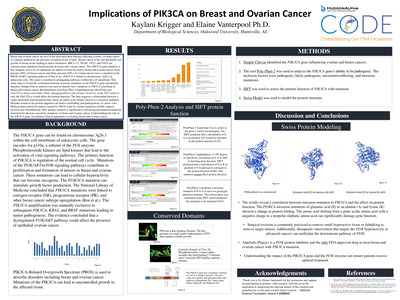
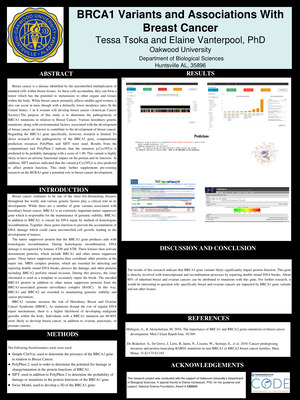
BRCA1 Variants and Associations With Breast Cancer
Elaine Vanterpool and Tessa Tsoka
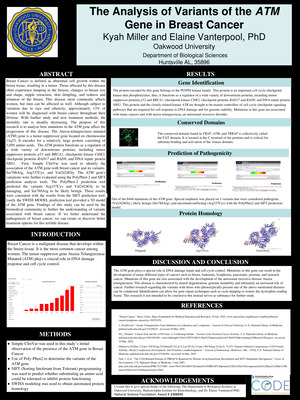
Breast cancer continues to be one of the most life-threatening diseases throughout the world, and various genetic factors play a critical role in its development. While there are a number of gene variants associated with hereditary breast cancer, BRCA1 is an extremely important tumor suppressor gene which is responsible for the maintenance of genomic stability. BRCA1, in addition to BRCA2, is crucial for DNA repair by method of homologous recombination. Together, these genes function to prevent the accumulation of DNA damage which could cause uncontrolled cell growth, leading to the development of tumors. The tumor suppressor protein that the BRCA1 gene produces aids with homologous recombination. During homologous recombination, DNA damage is recognized by kinases ATM and ATR. These kinases then activate downstream proteins, which include BRCA1 and other tumor suppressor genes. These tumor suppressor proteins then coordinate other proteins at the repair site. MRN complex proteins, which are essential for detecting and repairing double strand DNA breaks, process the damage, and other proteins including BRCA2 perform strand invasion. During this process, the sister chromatid is used as a template to accurately repair the break. The encoded BRCA1 protein in addition to other tumor suppressor proteins form the BRCA1-associated genome surveillance complex (BASC). In this way, BRCA1 and BRCA2 are essential to maintaining genomic stability and cancer prevention. BRCA1 variants increase the risk of Hereditary Breast and Ovarian Cancer Syndrome (HBOC). As mutations disrupt the row of regular DNA repair mechanisms, there is a higher likelihood of developing malignant growths within the body. Individuals with a BRCA1 mutation are 60-80% more likely to develop breast cancer, in addition to ovarian, pancreatic, or prostate cancer.
-
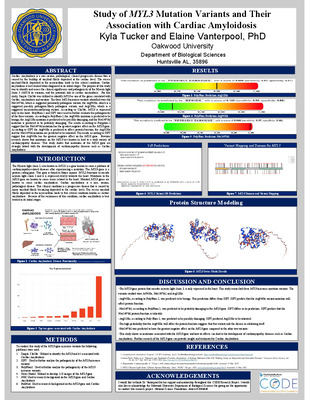
Study of MYL3 Mutation Variants and Their Association with Cardiac Amyloidosis
Elaine Vanterpool and Kyla Tucker
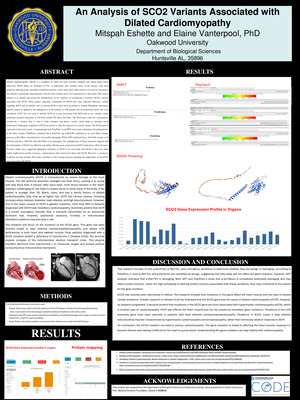
Cardiac Amyloidosis is a rare serious, pathological, clinical progressive disease that is caused by the buildup of amyloid fibrils deposited at the cardiac level. The excess amyloid fibrils deposited in the myocardium leads to this critical condition. Cardiac amyloidosis is best treated when diagnosed in its initial stages. The purpose of this study was to identify and assess the clinical significance and pathogenicity of the Myosin light chain 3 (MYL3) its variants, and the potential link to cardiac amyloidosis. For this study, Simple ClinVar was utilized to identify MYL3 as one of the genes correlated with Cardiac Amyloidosis and variants. The three MYL3 missense variants identified were the Met149Val, which is suggested potentially pathogenic variant, the Arg94His, which is a suggested possibly pathogenic/likely pathogenic variant, and Arg31His, which is a suggested uncertain/unconflicting variant. According to ClinVar, MYL3 is expressed only in the heart. PolyPhen-2 and SIFT were used to further evaluate the pathogenicity of the three variants.
-
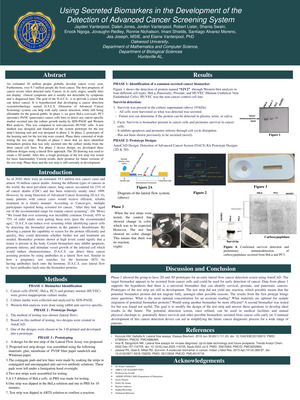
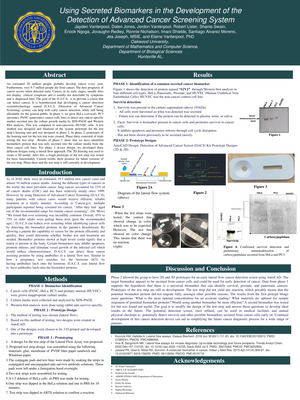
Using Secreted Biomarkers in the Development of the Detection of Advanced Cancer Screening System
Elaine Vanterpool, Jaydan Vanterpool, Jordon Vanterpool, Robert Lister, Shania Swain, Enock Ngoga, Jovaughn Redley, Imani Shields, Dalen Jones, Santiago Moreno, Ronnie Nichalson, and Jea Joseph MSIE
As of 2020, there were an estimated 19.3 million new cancer cases and almost 10 million cancer deaths. Among the different types of cancers in the world, the most prevalent cancer, lung cancer, accounted for 23% of all cancer deaths (CDC) and has been relatively steady since 1999. However, by using Detection of Advanced Cancer Screening (D.A.C.S), many patients with cancer cases would receive efficient, reliable treatment in a timely manner. According to Cancer.gov, multiple participants reported being screened for cancer, “After they had ‘aged out of the recommended range for routine cancer screening”. (Dr. Moss) “We found that over screening was incredibly common. Overall, 45% to 75% of older adults were getting these tests [past the recommended age].” D.A.C.S can reduce over screening while identifying cancer cells by detecting the biomarker proteins in the patient’s bloodstream. By allowing a patient the capability to screen for the protein efficiently and quickly, they could determine whether further test and treatment are needed. Biomarker proteins shown at high levels could signify that a tumor is present in the body. Certain biomarkers may inhibit apoptosis, promote mitosis, and stimulate vessel growth of the infected cell which would induce chemoresistance. D.A.C.S. can detect these cancer assisting proteins by using antibodies in a lateral flow test. Similar to how a pregnancy test searches for the hormone hCG by having antibodies latch onto the hormone, D.A.C.S. uses lateral flow to have antibodies latch onto the biomarker proteins.
-
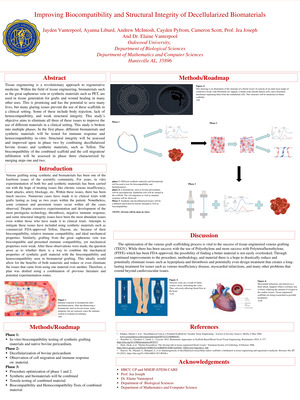
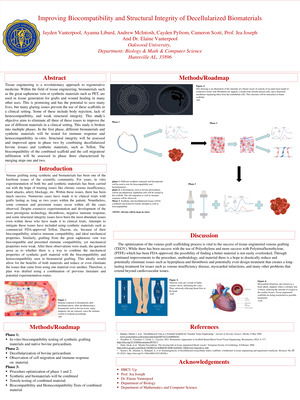
Improving Biocompatibility and Structural Integrity of Decellularized Biomaterials
Elaine Vanterpool, Jayden Vanterpool, Ayanna Liburd, Andrew McIntosh, Cayden Pyform, Cameron Scott, and Jea Joseph MSIE
Venous grafting using synthetic and biomaterials has been one of the forefront issues of the scientific community. For years, in vitro experimentation of both bio and synthetic materials has been carried out with the hope of treating issues like chronic venous insufficiency, heart attacks, artery blockage, etc. Within these issues, there has been much success. Numerous cases have made it to clinical trials with grafts lasting as long as two years within the patient. Nonetheless, some common and persistent issues occur within all the cases observed. Despite extensive experimentation and development of the most prestigious technology, thrombosis, negative immune response, and some structural integrity issues have been the most abundant issues even within those who have made it to clinical trials. Attempts to mitigate these issues have included using synthetic materials such as commercial FDA-approved Teflon, Dacron, etc. because of their biocompatibility, relative immune compatibility, and ideal mechanical properties. Similarly, grafting from the great saphenous vein was biocompatible and presented immune compatibility, yet mechanical properties were weak. After these observations were made, the question arose as to whether there is a way to combine the mechanical properties of synthetic graft material with the biocompatibility and hemocompatibility seen in biomaterial grafting. This ideally would allow for the benefits of both materials and reduce or even eliminate the issues that came from using one material over another. Therefore, a plan was drafted using a combination of previous literature and potential experimentation routes.
-
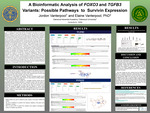
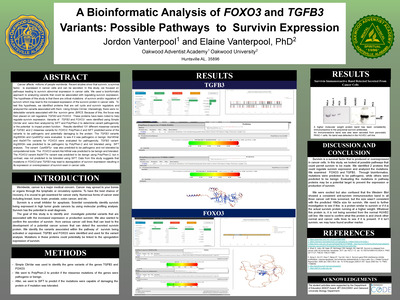
A Bioinformatic Analysis of FOXO3 and TGFB3 Variants: Possible Pathways to Survivin Expression
Elaine Vanterpool and Jordon Vanterpool
Worldwide, cancer is a major medical concern. Cancer may spread to your bones or organs through the lymphatic or circulatory systems. To have the best chance of recovery, it is crucial to get examined for cancer early. Numerous forms of cancer exist including breast, bone, brain, prostate, colon cancer, and etc. Survivin is a small inhibitor for apoptosis. Scientist consistently identify survivin being expressed in high tumor grade cancers by using molecular profiling analysis. Survivin has the potential to avail diagnosis. The goal of this study is to identify and investigate potential variants that are associated with the increased expression or production survivin. We also wanted to confirm the secretion of survivin from various cancer cell lines that can lead to the development of a potential cancer screen that can detect the secreted survivin protein. We identify the variants associated within the pathway of survivin being activated or expressed. TGFB3 and FOXO3 were identified and used for the variant analysis. Mutations in these proteins could potentially be linked to the upregulation expression of survivin.
-
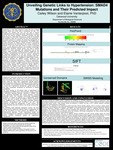
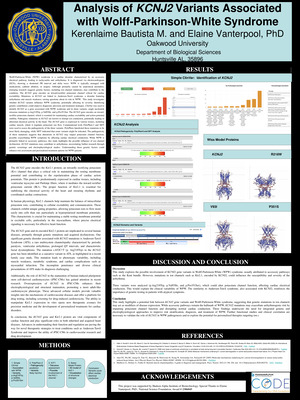
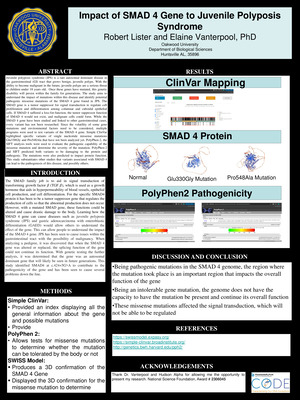
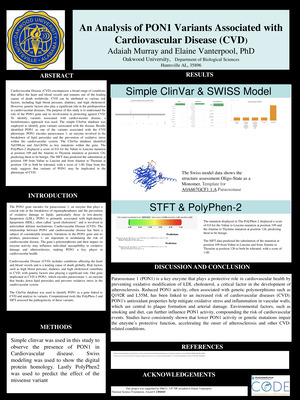
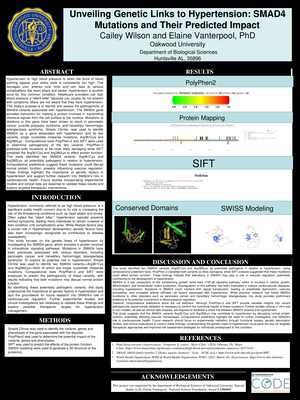
Unveiling Genetic Links to Hypertension: SMAD4 Mutations and Their Predicted Impact
Elaine Vanterpool and Cailey Wilson
Hypertension, commonly referred to as high blood pressure, is a significant public health concern due to its role in increasing the risk of life-threatening conditions such as heart attack and stroke. Often called the "silent killer," hypertension typically presents without symptoms, leading many individuals to remain unaware of their condition until complications arise. While lifestyle factors play a crucial role in hypertension development, genetic factors have also been increasingly recognized as contributors to disease susceptibility. This study focuses on the genetic basis of hypertension by investigating the SMAD4 gene, which encodes a protein involved in intracellular signaling pathways. Mutations in SMAD4 have been previously associated with various disorders, including pancreatic cancer and hereditary hemorrhagic telangiectasia syndrome. To explore its potential role in hypertension, Simple ClinVar was used to identify two SMAD4 variants—Arg361Cys and Arg380Lys—both of which are single nucleotide missense mutations. Computational tools PolyPhen-2 and SIFT were employed to predict the pathogenicity of these variants, with results indicating that both mutations may disrupt normal protein function. By identifying these potentially pathogenic variants, this study underscores the importance of genetic factors in hypertension and lays the groundwork for future research into SMAD4’s role in cardiovascular regulation. Further experimental studies and clinical investigations are necessary to validate these findings and explore possible therapeutic targets for hypertension management.
-
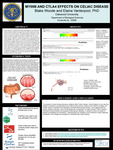
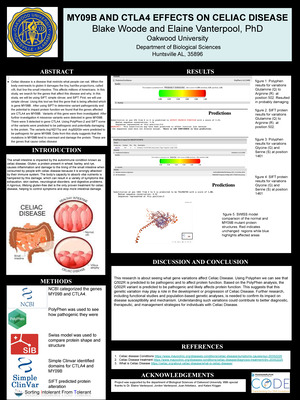
MY09B AND CTLA4 EFFECTS ON CELIAC DISEASE
Elaine Vanterpool and Blake Woode
Celiac disease is a disease that restricts what people can eat. When the body overreacts to gluten it damages the tiny, hairlike projections, called villi, that line the small intestine. This affects millions of Americans. In this study, we search for the genes that affect this disease and why. In this study, we will be using SIFT, simple clinvar, and SIFT. First, we will use simple clinvar. Using this tool we find the gene that is being affected which is gene MY09B. After using SIFT to determine variant pathogenicity and the potential to impact protein function we found that the genes affected are CTLA4 are MY09B. Variants of this gene were then investigated. After further investigation 4 missense variants were detected in gene MY09B. There were 5 detected in gene CTLA4. Using PolyPhen-2 and SIFT some of the variants were predicted to be pathogenic and potentially damaging to the protein. The variants Arg1621Trp and Arg502Gln were predicted to be pathogenic for gene MY09B. Data from this study suggests that the mutations in MY09B tend to overreact and damage the protein. These are the genes that cause celiac disease
-
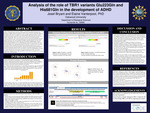
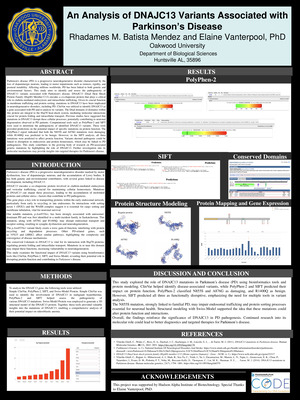
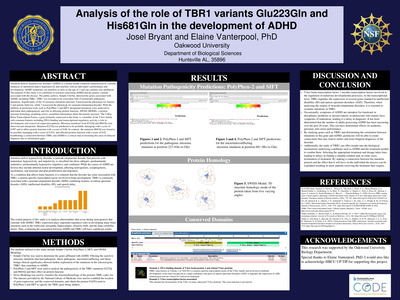
Analysis of the role of TBR1 variants Glu223Gln and His681Gln in the development of ADHD
Elaine Vanterpool and Josel Bryant
-
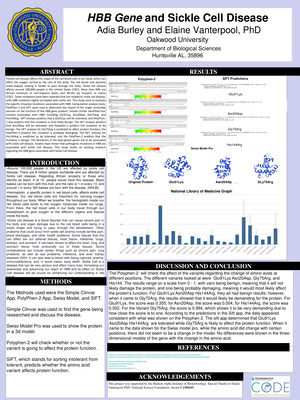
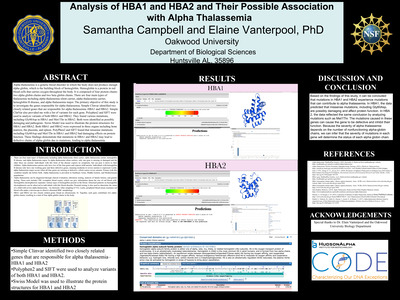
Analysis of HBA1 and HBA2 and Their Possible Association with Alpha Thalassemia
Elaine Vanterpool and Samantha Campbell
Printing is not supported at the primary Gallery Thumbnail page. Please first navigate to a specific Image before printing.